Deadly Assault
(Coming soon . . . )
Synopsis
The Plot . . . the Murder . . . the Threat:
Cassandra Patton Conover, weak from a long recuperation in Portland, arrives at her woods cabin only to fall through melting spring ice with her dog Pock. Life gets complicated when her snowshoes snag a body under the water and she finds her backyard woods littered with No-Trespassing signs and surveillance cameras. The huge real estate sign boasting sprawling lot development looks like the spidery X-rays that first mapped her cancer. Patton is intimate with this threat: an out-of-control assault aimed at the health of what it attacks. Helped by the mystery of the body in the lake, she plots a woods cure against impossible odds. With her dog, wild creatures of all sizes, and a game warden who cannot turn away from Patton or the looming loss of his tribal lands, she (once again) steps outside the law to solve a murder caused by relentless forces aimed at the Maine woods.
Read an Excerpt:
Up to my waist in broken ice, snowshoes scrambling for good footing in the melting marsh and lake bottom muck, I struggled for breath. Even though the water was chest high, I couldn’t get air into lungs that had seized up. Ice-water saturated my clothing and found skin.
I saw Pock sinking into a happy crouch. My dog is a Lab. Water—any water— is heaven-sent.
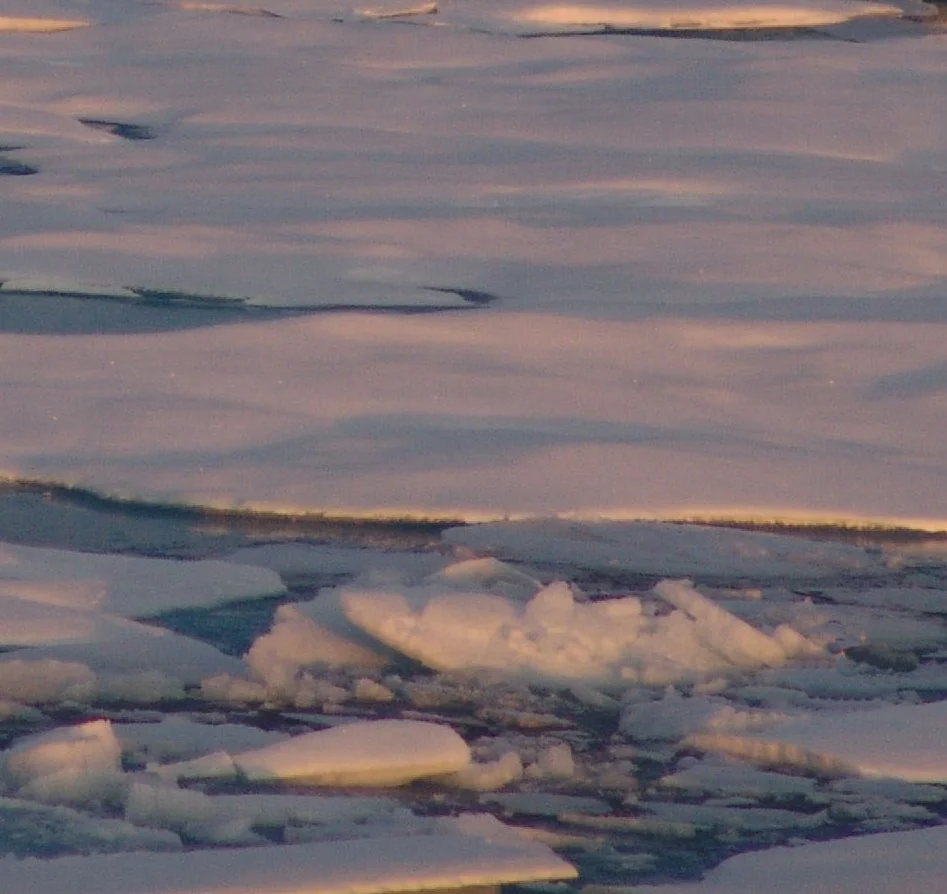
“Nooooooo,” I yelled. “No, don’t jump! Not fun in here. Not FUN!” When he landed, slabs of muddy ice broke over my head. As my dog splashed around the hole looking for dry land, more water drenched my head. A wet head delivering ice directly to my brain meant I’d be in even more trouble when I got out.
“We’re getting out. We’re getting out,” I said. Grabbing my dog around the middle and ducking his flailing legs, I shoved him out onto unbroken ice where he clawed his way onto the bank and started rolling in fresh snow.
He shook, wagged, then trotted off to a beaver dam that held the lake back from an outgoing stream. “Don’t worry about me,” I called. “Doing just fine in here.”
Pushing Pock’s weight up had sent me deeper into bottom muck. I stroked backward trying to free my snowshoes, but I was already shivering uncontrollably. Reaching down, I wrenched off each boot. Without the weight of boots and snowshoes, I bobbed up to the top of the hole. Spreading out my weight by trying a backstroke seemed like a good idea, so I kicked my way up onto firmer ice.
When we’d gone through the ice, we’d only been a woman and a dog following lynx tracks at the edge of Moosehead Lake where a bit of winter’s left-over snow dusted the tops of thick ice slabs that got piled up in protected coves. Lynx leave tracks a florist would love: large, lacy round prints—like five white petals pressed into an almost perfect circle. Only a few flakes of disturbed snow at the edge of each print told me the animal who’d left them was alive . . . and hunting.
I thought the lynx had to be anticipating an otter meal. In and out of trees and on and off the lake, he’d woven a route that explored every downhill otter slide where his prey had body surfed down toward cracks in the ice. Otters dined on fish and other water creatures they caught under the ice, but they also appreciated the joy of sliding downhill and going back up to do it again. Lynx would rather eat snowshoe hares, but otters will do if they’re hungry.
My heart sank when I looked toward shore and saw how the lynx prints had disappeared into a mush of boot tracks. The boot owners stood in a row on shore like an appreciative audience.
“If I trooped out there, I’d be in the soup with you,” called Anderson Barter. There was nothing but joy in his voice. Up on my knees I could see his badge glint in the sun along with the reflected hardware of snowmobiles queuing up to park between the edge of the woods and the lake where hard-packed snow would still hold them.
I sat up and swiveled around to face him, thinking I’d rather have some thin ice between us. “Should we wait for more of a crowd or is this about everyone who caught the radio call?” I asked, squeezing my toes to create warmth inside wet socks.
Anderson snorted and spit black chew onto the snow. “Get with the times,” he said. “You’re a candid camera star. The alarms for the cams out here ring down in my office.” He waved at the snowmobilers who’d removed helmets and were lounging on their padded seats sharing a cigarette. “I did put out a call for reinforcements.” Again, he sounded much too happy.
“You coming in so I can arrest you for trespassing?” he asked. “The folks here can deliver your dog to anyone you know in town.”
I looked over at Pock who’d stopped hauling away sticks the beavers had mudded into their dam. He’d installed himself on top of it, crouched low and aimed at Anderson. My dog is a very smart dog, so like me, he’s not big on Anderson Barter. I raised my hand and lowered it to send him a message. Not now. Maybe someday, but not now. He sat, but I could see a bit of daylight under his rear end. Good enough.
Something wasn’t right. It was late March and I’d only been away since last fall. I’d walked these woods for over fifty years. No signs warned me about anything except normal animal activity. Turkeys left scratched ground after they’d found insect dinners. Overturned clumps of leaves told me I’d surprised a deer. Torn-up mud holes said a male moose had rolled in female urine to advertise his availability. Pock and I avoided churned mud because horny moose are very grumpy.
None of these creatures posted signs or nailed up cameras.